If you’ve ever been told to replace your device instead of fixing it, you’ve already felt the impact of the Right to Repair debate. In 2026, that conversation isn’t theoretical anymore. It’s actively shaping how devices get repaired, who can fix them, and how much you pay.
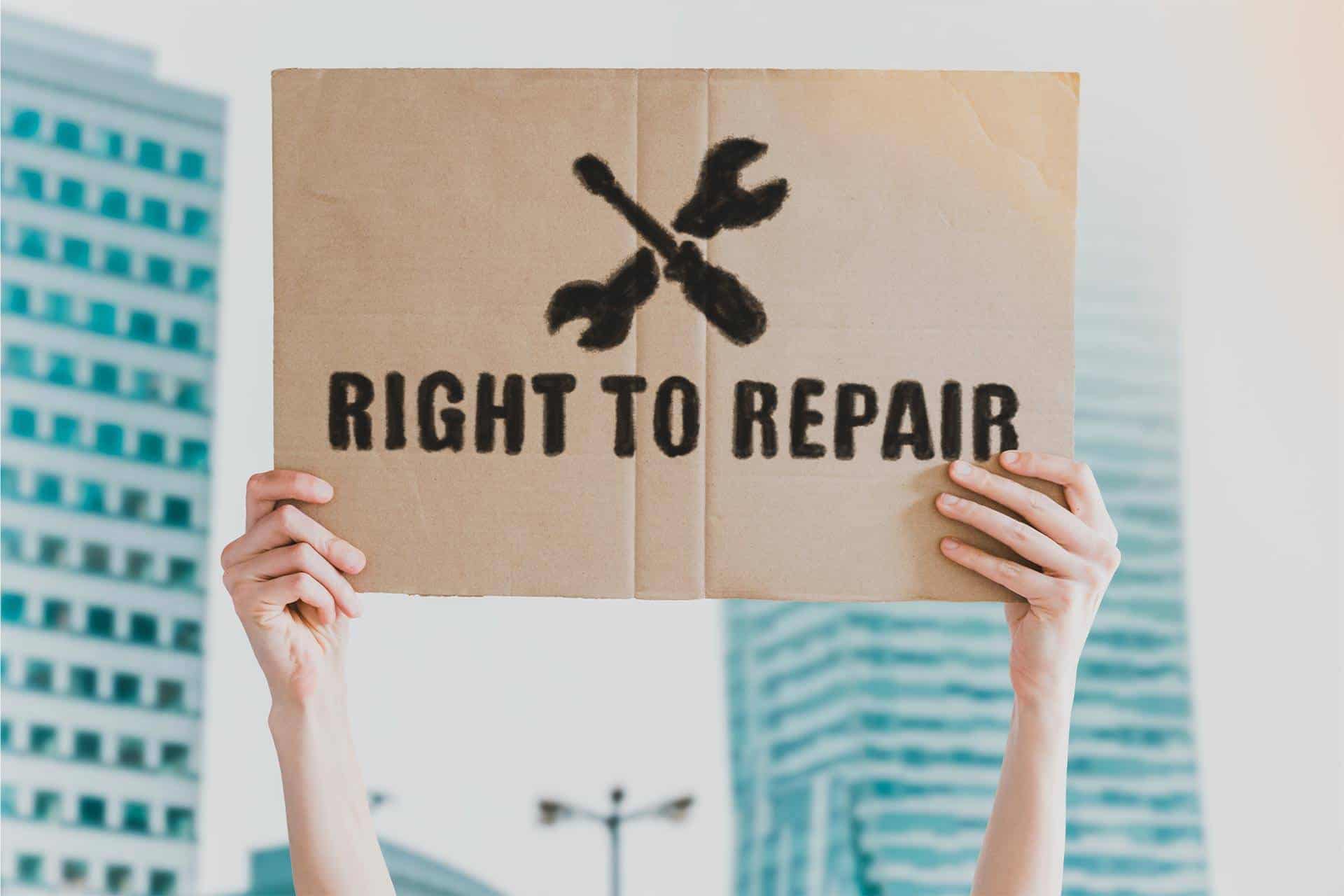
Right to Repair 2026 isn’t just about laws. It’s about control. It’s about whether you truly own your device or just have permission to use it.
At The Lab, this isn’t a trend. It’s the foundation of what we do every day. Repair devices, extend their life, and give our customers better options.
What Right To Repair Means In 2026
Right to Repair laws are designed to give consumers and independent repair shops access to the tools, parts, and information needed to fix devices.
In simple terms, it means:
- You should be able to repair your own device or choose who repairs it
- Repair shops should have access to parts, manuals, and software tools
- Manufacturers shouldn’t block repairs through restrictions or lockouts
These laws exist because many manufacturers have historically limited repair options, pushing customers toward expensive replacements or restricted service providers.
Where Things Stand Right Now
In 2026, Right to Repair is gaining real momentum across the United States.
Here’s what the current landscape looks like:
- Digital Right to Repair laws are active in multiple states and expanding quickly
- Millions of consumers now live under some form of repair protection
- Dozens of new bills are being introduced to strengthen repair access
- More states are preparing to implement laws between 2026 and 2027
This isn’t a slow shift. It’s happening right now, and it’s accelerating.
Why It Matters for Your Devices
Right to Repair directly affects how you handle everyday issues with your phone, tablet, or computer.
Without repair access, you often face:
- Higher repair costs due to limited service options
- Delays caused by restricted parts availability
- Forced upgrades when repair should be possible
With stronger repair rights, you get:
- More affordable repair options
- Faster service from local repair professionals
- Greater control over your device’s lifespan
At its core, Right to Repair helps you get more value from the devices you already own.
What It Means For Repair Shops Like The Lab
For independent repair shops, 2026 is a turning point. But access alone doesn’t guarantee fairness.
Even as laws expand, enforcement is still catching up. Some manufacturers still limit repairs through software locks, restricted parts, or partial compliance.
That means repair shops need to:
- Stay updated on changing laws and requirements
- Invest in tools and training for newer devices
- Continue advocating for fair access to repair resources
At The Lab, our team works hard to stay ahead of these changes so you don’t have to worry about the details.
The Bigger Picture
Right to Repair isn’t just about convenience. It has long-term implications for how we use technology.
When repair becomes easier and more accessible:
- Devices last longer
- Electronic waste decreases
- Consumers save money
- Local repair businesses grow
It also shifts how people think about their devices. Instead of treating them as disposable, we start treating them as long-term investments.
However, even with progress, not every manufacturer fully supports access to repair yet. That’s why choosing the right repair partner matters.
Bring Your Device to The Lab Today
If your device isn’t working the way it should, don’t assume it’s time to replace it. Bring it to The Lab for a professional evaluation. Our expert technicians will walk you through your options and get your device back up and running as quickly as possible.
Frequently Asked Questions
What is Right to Repair?
It refers to laws and regulations that give consumers and independent shops access to parts, tools, and repair information. You can learn more about it here.
Is Right to Repair already a law?
Yes. Several states have active laws, and more are continuing to adopt or expand them.
Does Right to Repair mean I can fix my own phone?
In many cases, yes. These laws are designed to give you that option.
Why do some companies restrict repairs?
Manufacturers often control repairs to protect revenue, systems, or service networks.
How does this affect repair costs?
Greater access usually leads to more competition, which can help lower repair costs over time.
PakarPBN
A Private Blog Network (PBN) is a collection of websites that are controlled by a single individual or organization and used primarily to build backlinks to a “money site” in order to influence its ranking in search engines such as Google. The core idea behind a PBN is based on the importance of backlinks in Google’s ranking algorithm. Since Google views backlinks as signals of authority and trust, some website owners attempt to artificially create these signals through a controlled network of sites.
In a typical PBN setup, the owner acquires expired or aged domains that already have existing authority, backlinks, and history. These domains are rebuilt with new content and hosted separately, often using different IP addresses, hosting providers, themes, and ownership details to make them appear unrelated. Within the content published on these sites, links are strategically placed that point to the main website the owner wants to rank higher. By doing this, the owner attempts to pass link equity (also known as “link juice”) from the PBN sites to the target website.
The purpose of a PBN is to give the impression that the target website is naturally earning links from multiple independent sources. If done effectively, this can temporarily improve keyword rankings, increase organic visibility, and drive more traffic from search results.